


Who is accountable when the agent gets it wrong?
AI agents now take actions, not just make suggestions. A product manager, an AI product lead, an ML engineer and a CTO on who owns the outcome when one of them makes a mistake.
- Thursday 10 June
- Day 2
- 12:30–13:15
- 45 minutes
- Main Stage
- Ground floor, hall A
- Panel
- All levels
An assistant that suggests a reply leaves a person in charge. An agent that sends the email, books the meeting or changes the configuration does not, at least not in the moment. As more products move from suggestion to action, the question of who is responsible when something goes wrong has stopped being theoretical.
Elena Petrova chairs a panel of people who have had to answer it. Zara Haddad wrote Halden’s public apology for an AI mistake. Kenji Arai has been on call for an agent used by two million people. Daniel Reis runs a platform where customers increasingly let automated tools deploy code to production.
The panel takes on the practical version of the question: what an agent should be allowed to do without asking, how to design undo and audit trails, what to tell customers, and how a company divides responsibility between the people who build the model, the product and the policy.
What you will take away
- A framework for deciding which actions an agent may take on its own
- Design patterns for review, undo and audit that hold up during a real incident
- How to share accountability across engineering, product and leadership
About the speakers
 ModeratorElena PetrovaGroup Product Manager, TidewaterLeading collaboration products for data analysts, and removing the features nobody needsSpeaker profile
 PanellistZara HaddadHead of AI Product, HaldenShipping AI assistants that support agents trust, across help desks at twelve thousand companiesSpeaker profile
 PanellistKenji AraiStaff ML Engineer, CorvidRunning an AI research agent for two million people, and the evaluation system that keeps it honestSpeaker profile
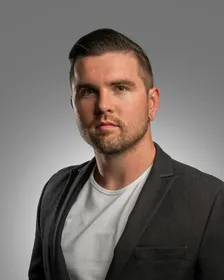 PanellistDaniel ReisCTO, StackwellRunning a deployment platform for forty thousand teams with eight engineers and a boring stackSpeaker profile


